Custom Wood Fences in Hampton, VA
Board-on-board, privacy, and picket wood fencing built across Hampton | Posts set two feet deep in concrete, framework screwed rather than nailed
In Hampton's boulevard business districts, BB-1 through BB-5, the zoning ordinance does something unusual. It sets a minimum height for your fence, floor, and ceiling. In those districts, the ordinance sets a floor as well as a ceiling, and the city measures against both.
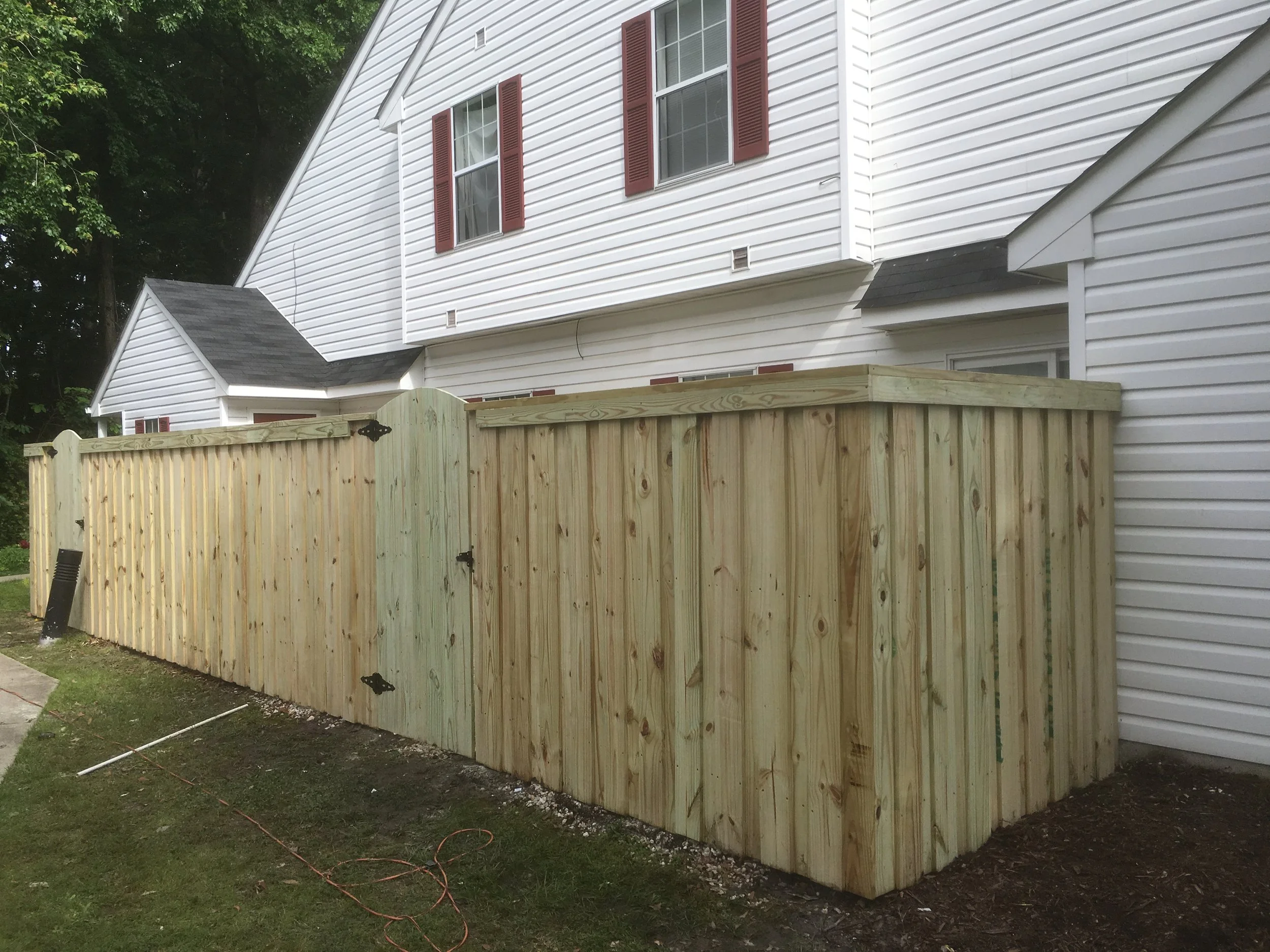
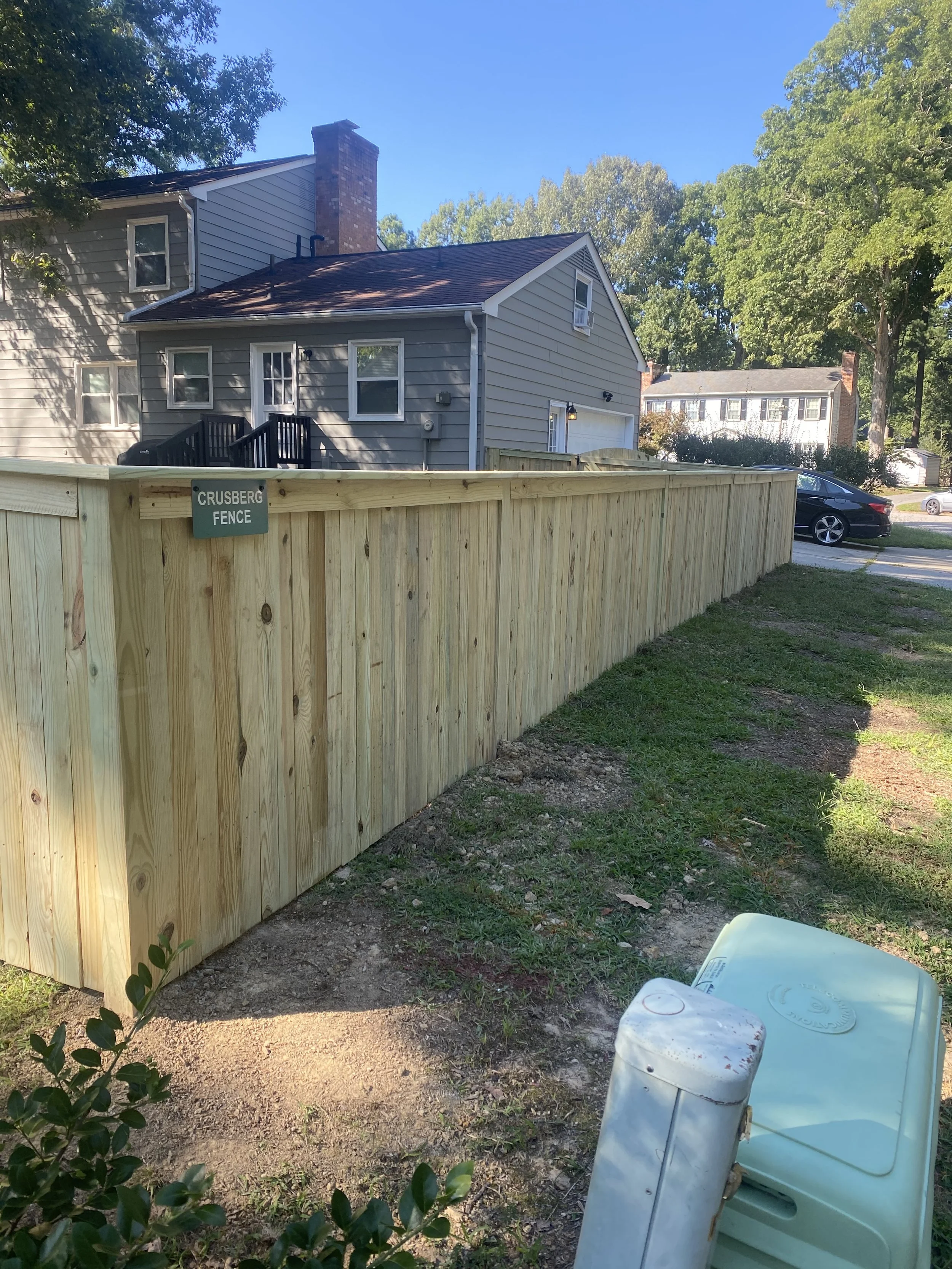
The Height Floor in Hampton's Boulevard Business Districts
Hampton's BB districts, BB-1 through BB-5, carry their own fence standards, and the numbers are what the design has to answer to. A fence, wall, natural fence or hedge in a BB front yard must be at least twenty-four inches high and may not exceed forty-two inches. Pillars, posts and gateways are allowed to stand taller than the fence itself, which is how a picket line in these blocks gets any vertical accent at all.
Behind the front plane, the band shifts: a side-yard or rear-yard fence in a BB district must be at least thirty-six inches and may not exceed six feet. And if your BB lot is single-family and backs a rear alley, the ordinance sets a five-foot minimum setback. It does not specify what the five feet is measured from, so we locate the alley right-of-way on the plat and confirm the datum with the city rather than guessing.
The practical effect is that a fence in these blocks is part of the streetscape as well as your boundary. A picket line that stops at eighteen inches reads as an edging strip, and the band keeps it doing a fence's job. Whatever the reasoning, the number determines the design, so we establish your district before drawing a run.
Why Picket Wins in Those Blocks
The BB districts also limit what a fence may be made of, and the permitted list is short: wood picket fences with corner posts, wrought iron, brick, stone, and natural fences. Wood picket leads the list, and on these blocks, the entry tends to fit what people actually want.
The wrought-iron entry carries a dimensional standard worth seeing, because it shows how specific the district is prepared to be: vertical members at least five-eighths of an inch, spaced four to six inches apart. Nothing on the list is loosely drawn. We do not fabricate wrought iron, so the entry on that list that concerns our work is the wood one. The phrase that matters in it is with corner posts, and it is not decoration. A picket run without proper corner posts has nothing to pull against, and it is the first thing to go slack.
On a short front run, the corner posts carry the tension for the whole line, so they go in first, and everything else is pulled to them.
Designing to a Forty-Two-Inch Ceiling
A band that narrow drives design decisions a taller run never has to make. Every proportion on a picket run is read against its height, and at forty-two inches there is very little room to hide a decision.
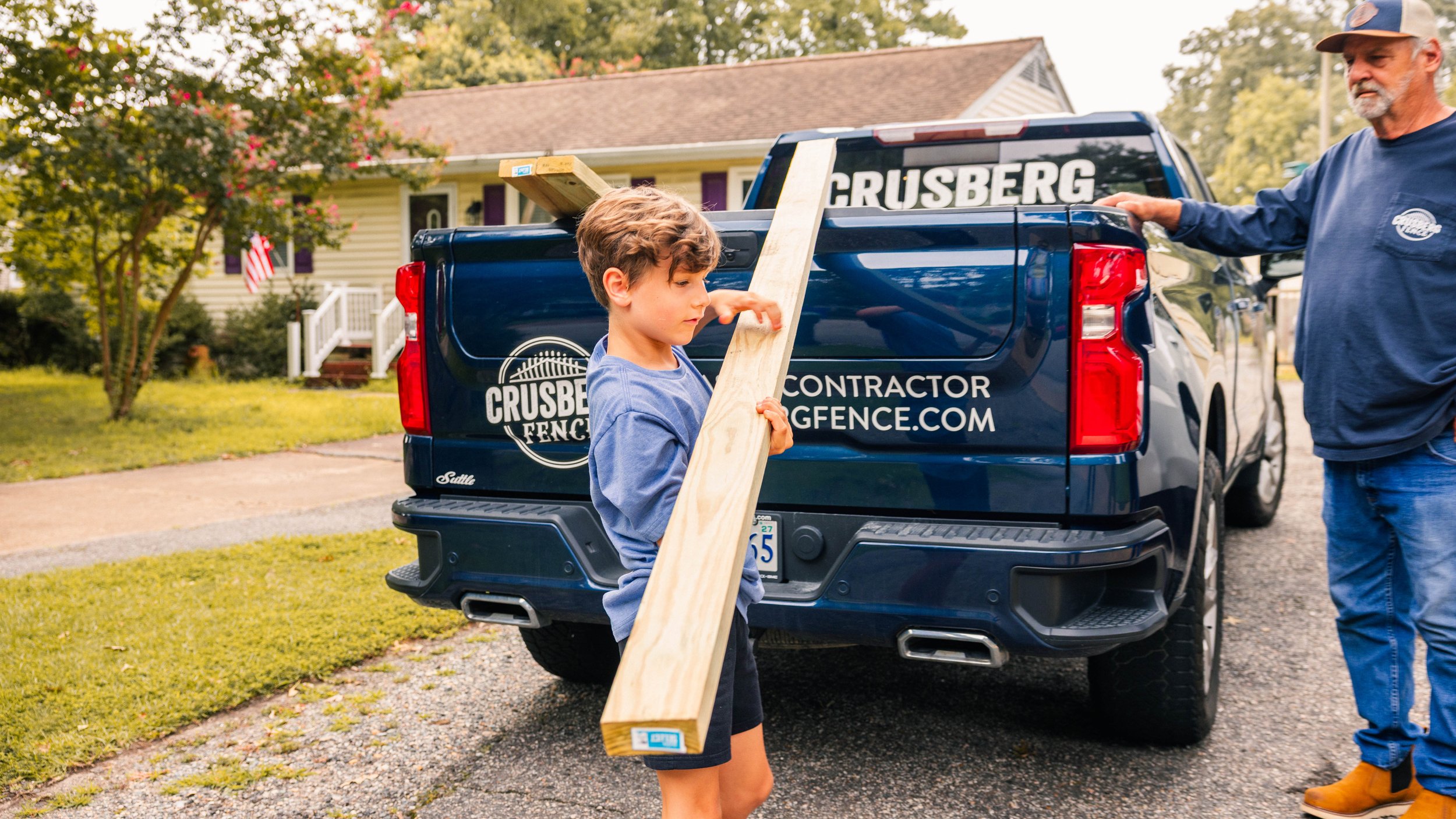
The Alley Setback and Your Rear Line
That five-foot alley setback is the clause most likely to change a plan after it is drawn.
Five feet is enough ground to matter. It can move a gate, change where a bin run or a rear parking pad sits, and, on a narrow lot, decide whether enclosing the rear yard is worth doing at all. So we pull the plat and locate the alley right-of-way before anything gets drawn, so it lands on the estimate before it becomes a surprise.
Which Hampton Addresses This Applies To
One more thing sits on top of the band: where a lot is on a corner, the city's visibility rule may require a fence shorter than the district minimum, and the ordinance plainly states that the safety provision takes precedence. A corner lot in a BB district is the one case where the floor is not the floor.
The BB districts do not cover the whole city. On the streets outside them, the ordinary residential limits govern, and the design conversation is the usual one.
Because that boundary is a zoning line, the reliable way to answer it is by address. Two houses on the same street can fall either side of it. We look the parcel up before we design, and if you turn out to be in a standard residential district, we will say so plainly, and the height-floor question simply does not arise for you.
Everything that is not district-specific is covered on our main wood fencing page: the styles we build, cedar against pressure-treated pine, sealing a new fence, and how we warrant our gates.
Wood styles, species and sealing → Custom wood fencing
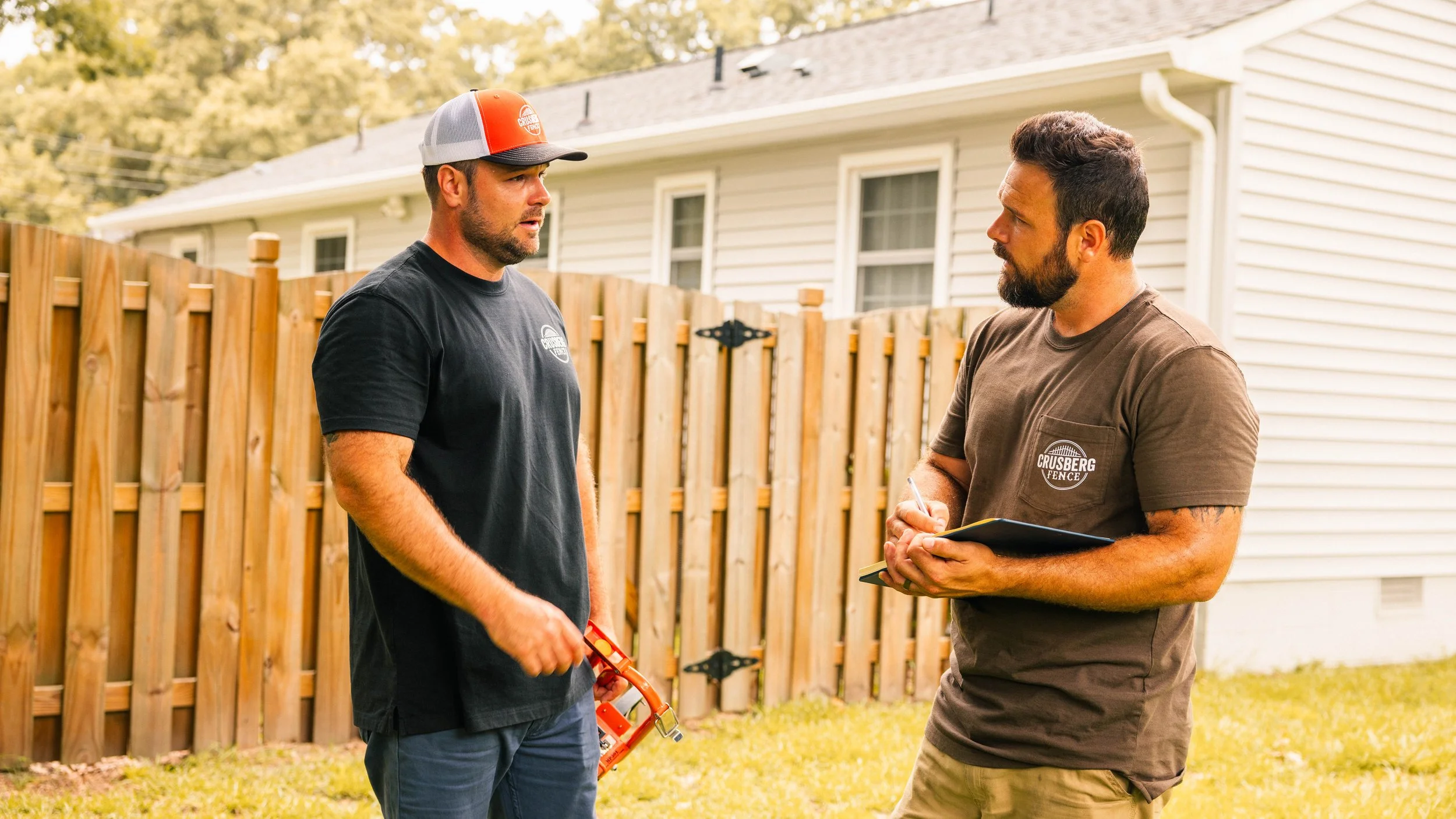
How the Job Runs
We pull your district first. Everything downstream, the height band, the permitted materials and whether an alley setback applies, follows from that one answer.
We measure on site and, in a BB district, confirm which of your yards is the front for code purposes, since that is what decides whether you are working to twenty-four to forty-two inches or to thirty-six inches and up.
If the plat shows a rear alley, we locate the right-of-way edge, confirm the datum with the city, and set the line five feet off it before anything else is drawn.
You get a written estimate with the scope and the governing heights on it, so what the district requires is on the page in front of you.
Hampton requires a zoning permit and will want your survey or plat. You file it; we supply the drawing detail and district information it needs.
Virginia 811 goes in, and we wait for the positive response before a shovel moves.
Corner posts first, two feet into concrete, left to cure, then the run pulled to them.
Framework and pickets built on site, screwed, finished side out, and the gate leaf made for its opening.
What You Get on a Wood Job Here
Custom wood is what our family has built longest, and the crew that measures a run is generally the crew that builds it.
A BB address changes the height, the materials, and the alley setback all at once, which is why the district question comes first on this page.
We build to the band your district sets, at the dimensions the code actually names.
We set posts two feet deep in concrete and screw our framework and gates instead of nailing them.
Virginia Class A contractor, DPOR #2705194192, fully insured including commercial auto.
Wood Questions, Hampton Specifics
Call or text and we will answer it straight, no pressure.
Get a Free EstimateCall or text (757) 508-0538 or (757) 508-1782
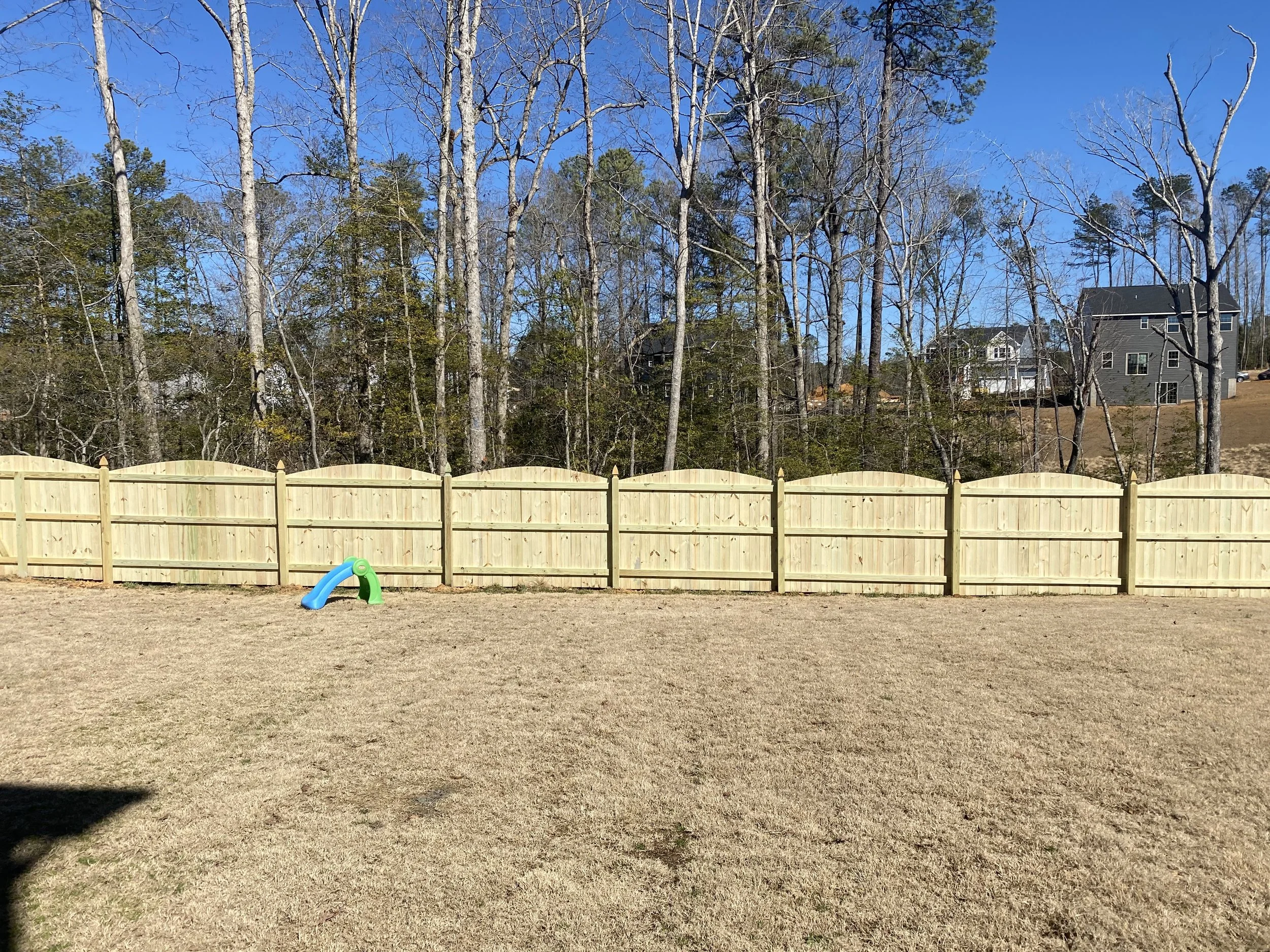
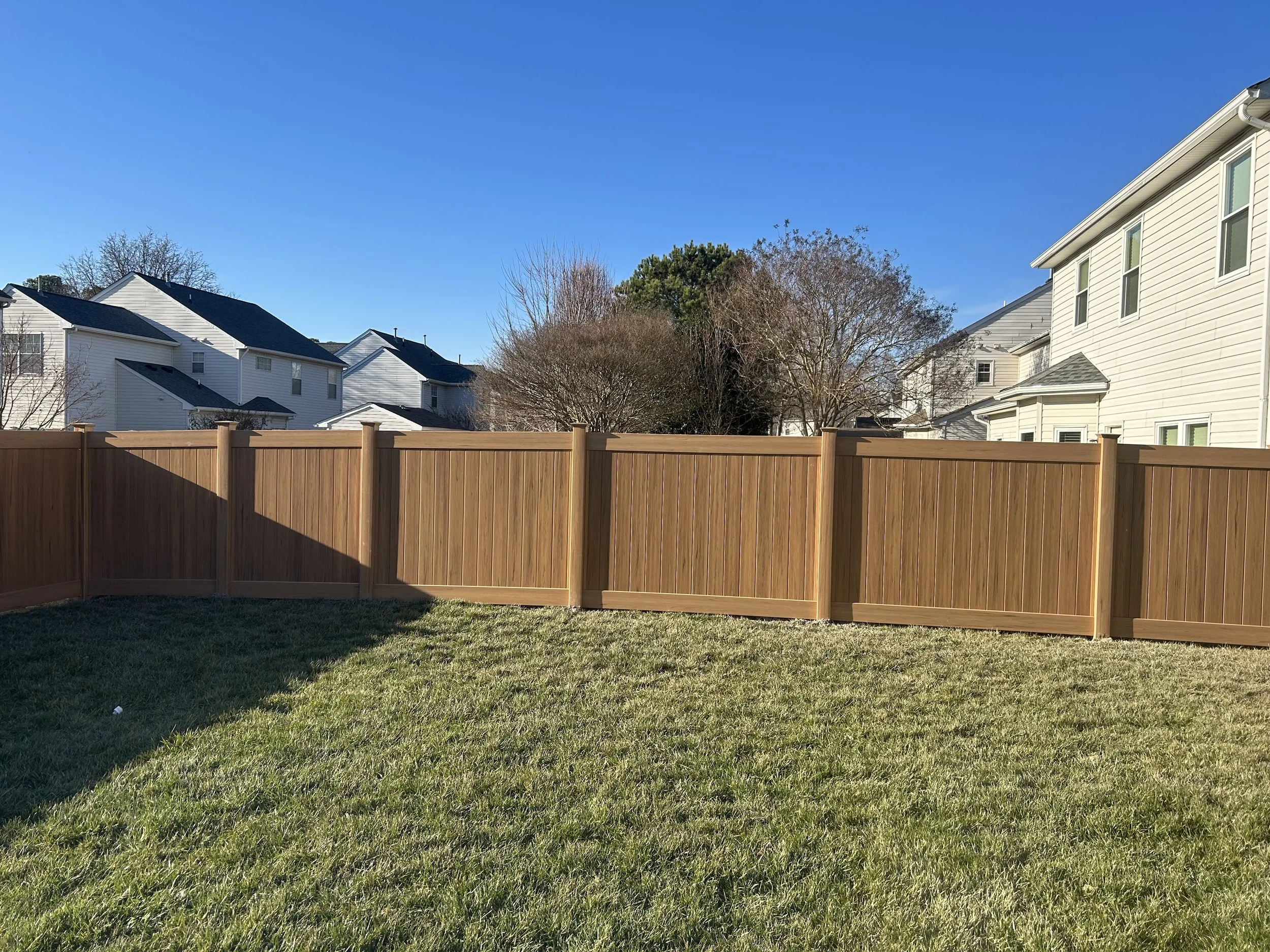
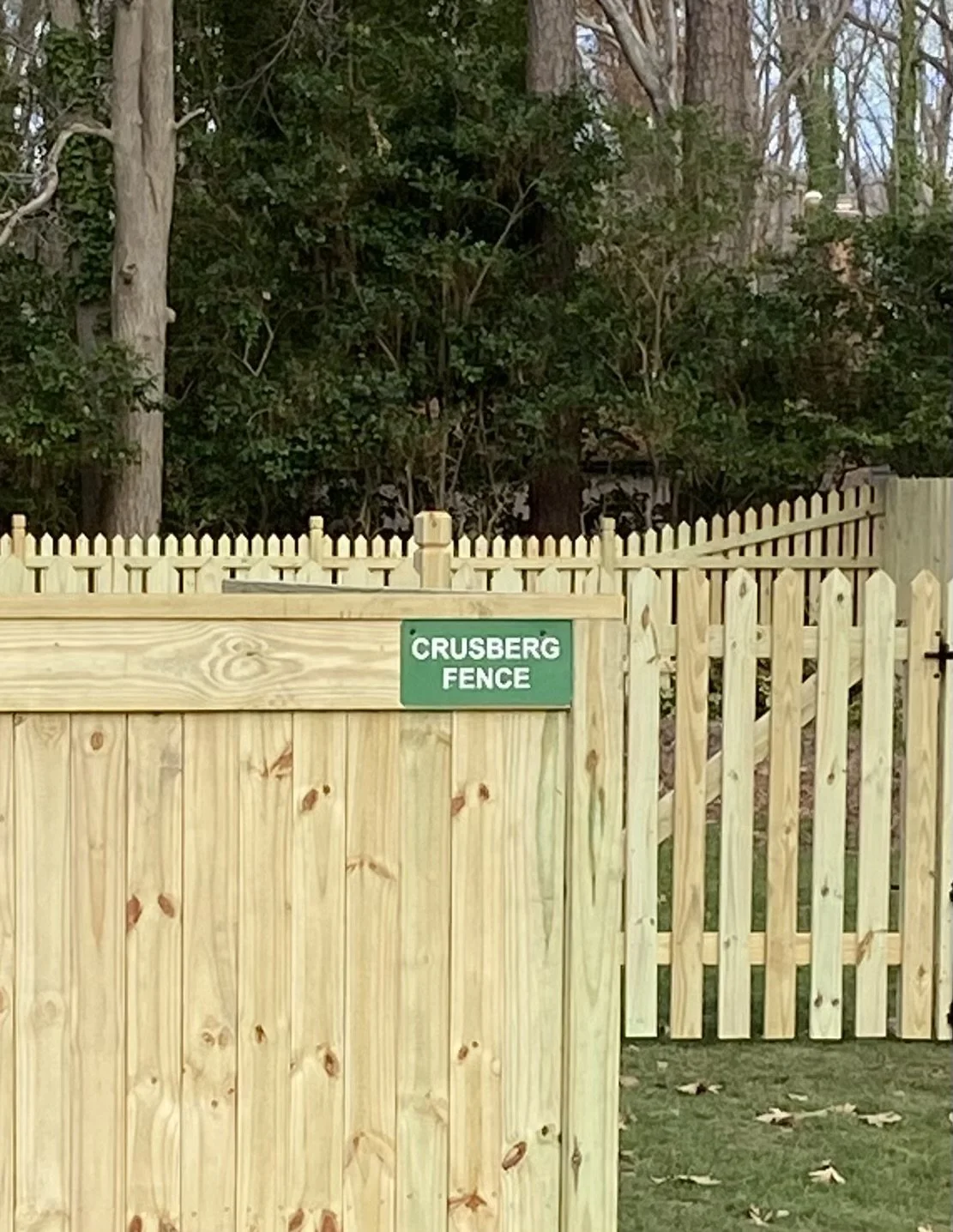
Wood We Have Built Around Hampton
.JPG?content-type=image%2Fjpeg)
Wood Fences Across the City
We build wood fences across the whole city, in the BB districts and well outside them. If your street is nearby and not listed, just ask.
What Hampton Customers Say
Book a Wood Fence Estimate
Call or text (757) 508-1782 for a free, on-site, written estimate on a custom wood fence anywhere in Hampton.