Fence Repair and Storm Damage in Chesapeake, VA
Leaning runs, broken posts, failed gates and storm damage, repaired across Chesapeake | Same-day response from an owner-run, Class A licensed crew
Some fences in Chesapeake were approved under a condition tied to the road beside them. Where that road has changed, the condition is worth re-checking before a rebuild.
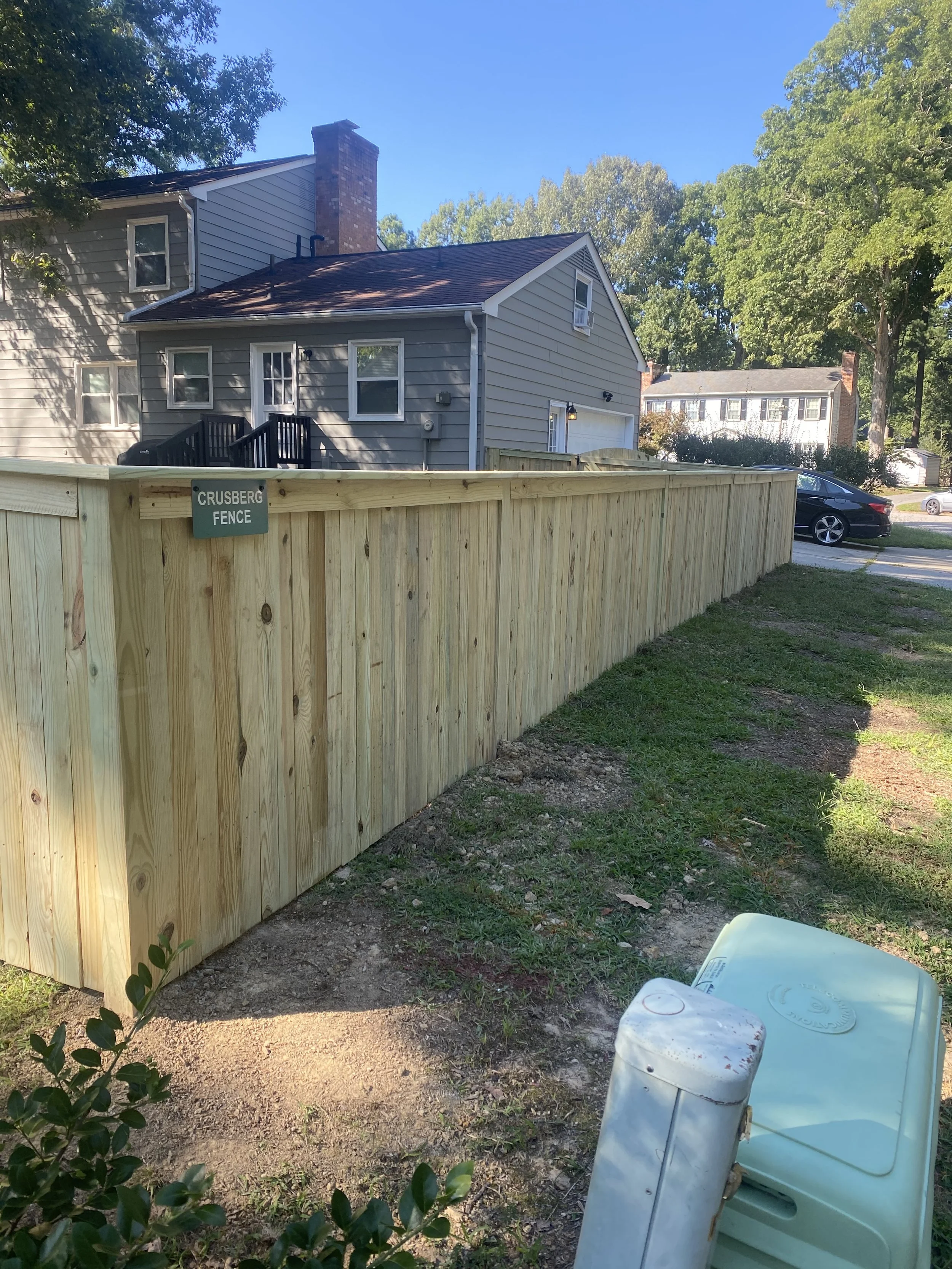
The Exemption With a Clock On It
Chesapeake's corner-lot rules can require a landscaped buffer between a taller second-frontage fence and the road. The ordinance provides an exemption: where the public right-of-way along that secondary front yard is unimproved, or is an alley at the time the request is made, no buffer is required provided the other criteria are satisfied. Whether it reaches your parcel is the city's determination.
The clause does not stop there. If that right-of-way is later no longer an alley or no longer unimproved, the buffer may be required.
That is worth reading twice, because it means an approval can rest on something outside the fence and outside your control. A run put up against an unimproved lane may sit beside a very different road years later, and if it does, the exemption it relied on is a question again. Nothing about the fence has changed. What it was judged against may have.
There is a steadier way out of the same requirement, and worth weighing before you lean on the fragile one. Set the fence fifteen feet or more back from the right-of-way, and no buffer yard is required, whatever the road beside it does later. Where the lot has that depth, that is the version of this that does not need revisiting.
This surfaces during repair and replacement work more than at any other time, because a substantial rebuild is when the current rules are reviewed again. It is worth knowing before you decide how much of a run to replace, and it is a genuine argument for repairing what is there where repair is honestly the right call.
Corner Lot or Through Lot Changes the Answer
The two are treated differently, and people routinely assume they are the same. On a residential corner lot, a fence above four feet in the secondary front yard has to sit back at least ten feet, and at fifteen feet or more the buffer requirement falls away entirely. On a through lot, the setback is five.
That five-foot difference decides whether an existing line can be rebuilt where it stands. We establish which one you have from the plat before quoting a replacement, because that is the moment to have the conversation.
Storm Work on Low, Wet Ground
Chesapeake sits low and drains through canals and ditches, and what a storm does to a fence here is usually a ground problem in a wind costume. Saturated soil holds a post much less firmly than dry soil, so a wind that a fence would shrug off in August walks it over in a wet March.
That is why we look at the footing rather than the panel after a blow. A run that has gone over in soft ground frequently has sound timber and failed bedding. Properly resetting the footings is the repair that lasts.
The other thing we check is whether anything has moved into a drainage easement. Recorded drainage easements generally give the city a right of access, so a fence shifted by a storm can end up somewhere it has a documented right to dig.
How We Work Out What You Are Actually Allowed to Rebuild
Pull the plat first. Corner lot, through lot, or interior decides the setback a taller second-frontage run has to keep, and it is the first thing a rebuild is measured against.
Check the right-of-way alongside it. Whether it is still unimproved, still an alley, or has since been built out determines whether the buffer condition is live.
Read the easements. A run that has shifted may now sit where the city holds a documented right to dig.
Then look at the fence: which element failed, what the ground did underneath it, and which parts of the run are still sound enough to keep.
A written diagnosis covering both halves, so you can see the repair and the constraint in the same document before anybody quotes a price.
Where a new approval is needed, you file it. We supply the plat markup, the dimensions, and the site detail it asks for.
What We Bring to a Chesapeake Repair
We check the lot type and the easements before quoting a rebuild, so a condition that has changed since the original approval is not a surprise.
We look at footings first on wet ground, which is where many Chesapeake failures start.
We quote a rebuild against the current rules rather than the ones the fence went up under.
Class A licensed in Virginia, DPOR #2705194192, insured for liability, workers' compensation and commercial auto.
Repair Questions, Chesapeake Specifics
Call or text and we will answer it straight, no pressure.
Get a Free EstimateCall or text (757) 508-0538 or (757) 508-1782
Repairs We Have Made Around Chesapeake
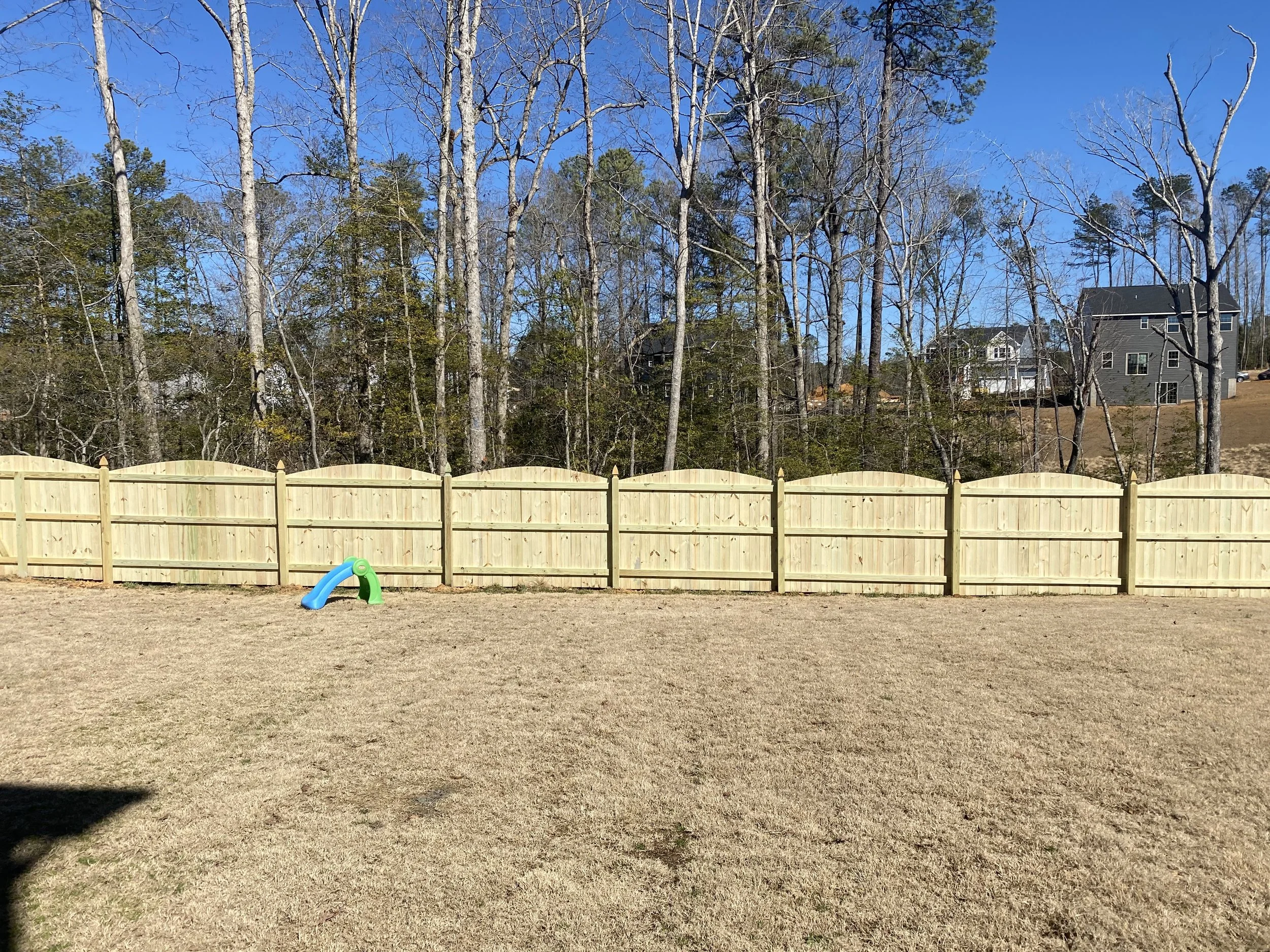
Repairs Across the City
Wood, vinyl, aluminum, and chain link, from the historic streets to the rural south. Street not listed? Ask.
What Chesapeake Customers Say
Book a Repair Visit
Call or text (757) 508-1782 for a free, on-site repair estimate anywhere in Chesapeake.